How the Dynamics 365 to Salesforce Migration Clock Affects the Training Data Your AI Inherits
Stale and ambiguous data from Dynamics 365 corrupts the AI models Salesforce inherits.
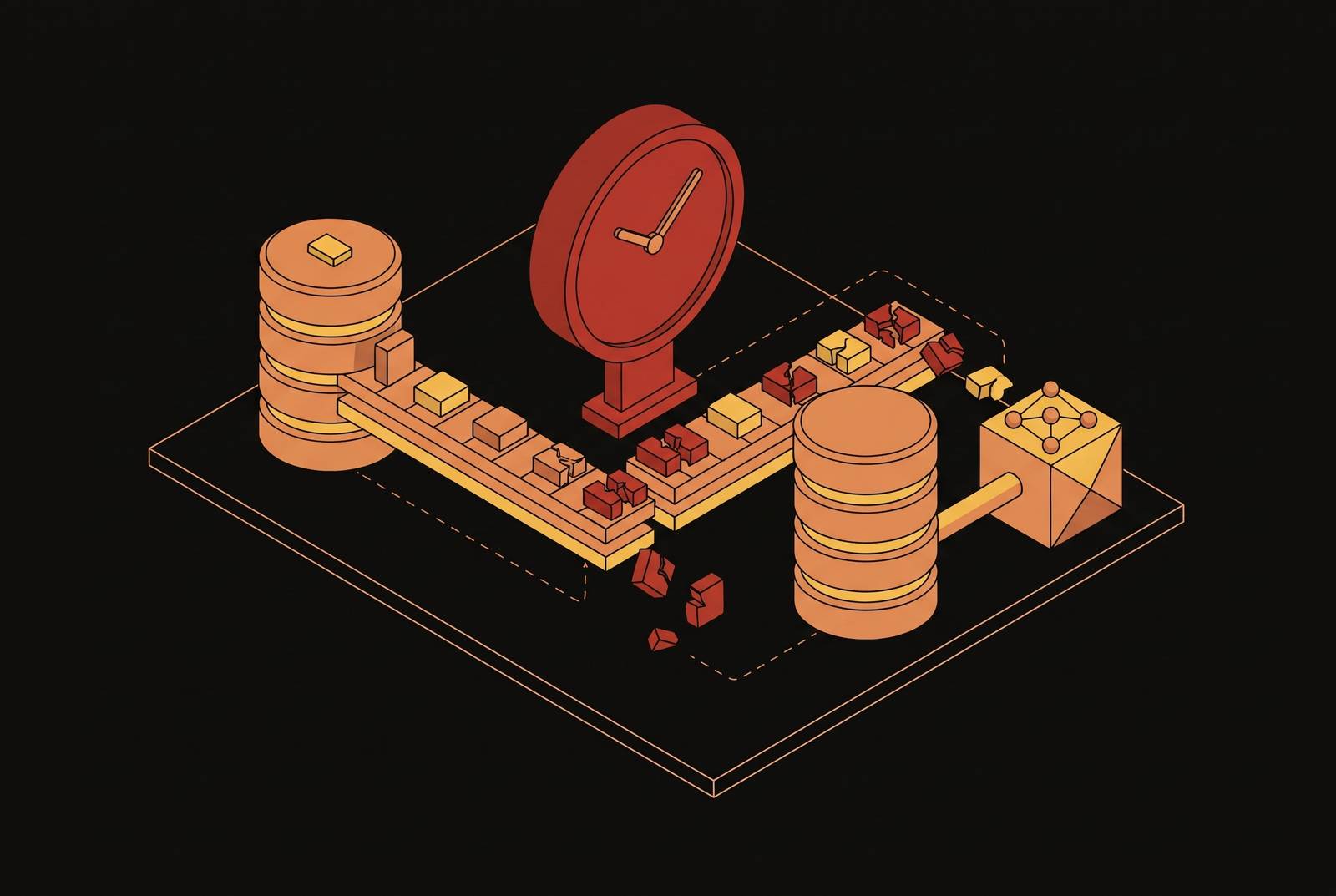
A Dynamics 365 to Salesforce migration determines the historical data that Salesforce AI inherits, and the migration clock affects how trustworthy that inheritance is. Mismatches in structure and data decay make each other worse as the project runs. Protecting the AI foundation therefore requires more than a successful transfer. It requires resolving ambiguity before load, controlling deterioration during migration, and maintaining record health after cutover.
Why a Dynamics 365 to Salesforce migration is a data inheritance event for AI, not just a platform switch
Agentforce and AI-first migrations make the purpose of CRM migration more demanding. Organizations moving to Salesforce are transferring the records that Einstein scoring, pipeline forecasting, and agents will use for training and inference. Those records become the system’s ground truth. An unresolved relationship or stale opportunity is therefore not merely an administrative defect. It changes the evidence available to AI.
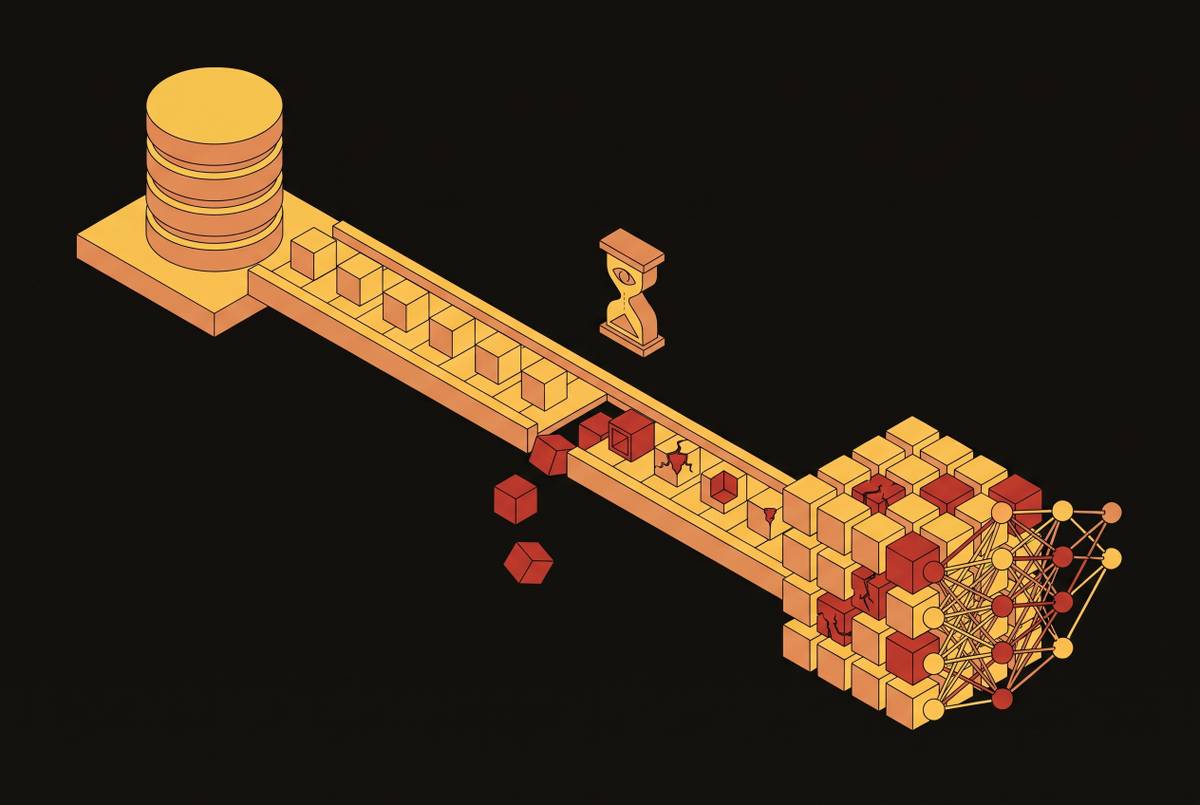
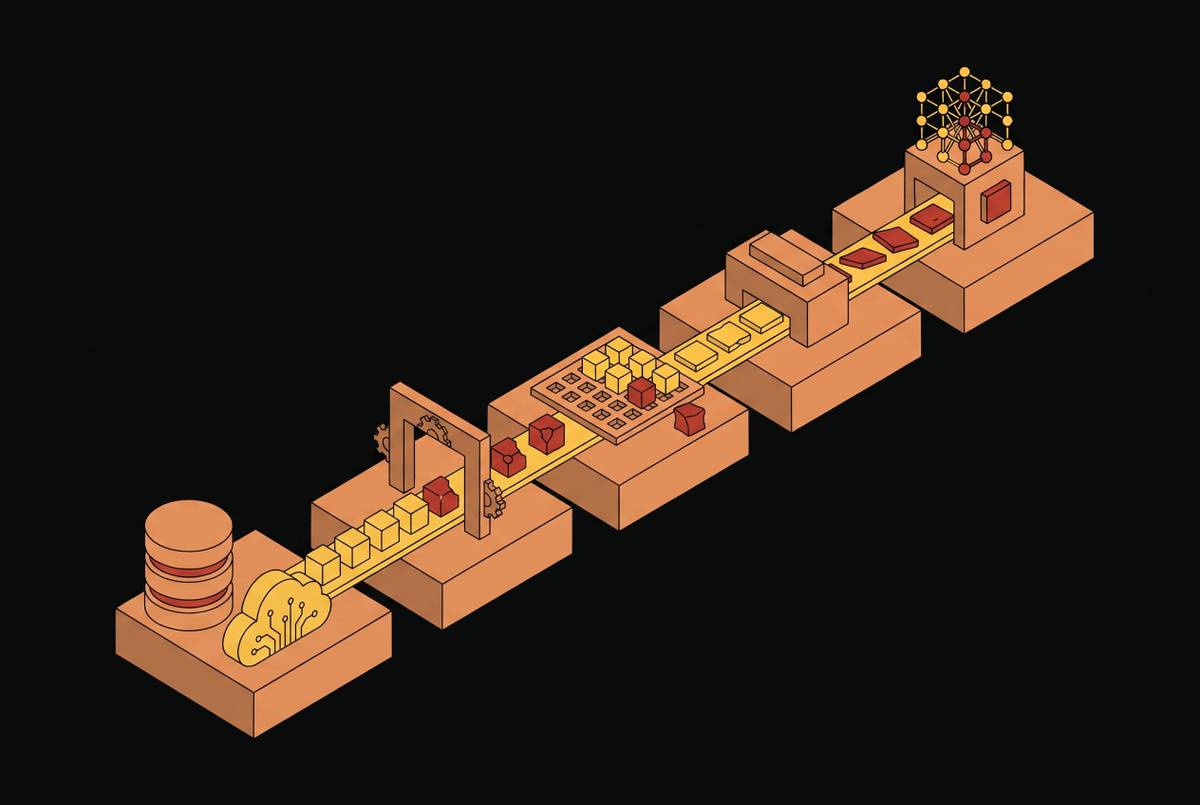
That evidence takes weeks to months to transfer through extraction, cleansing, transformation, mapping, loading, and validation. Meanwhile, the business continues changing, so the source records can deteriorate even as their structure is being repaired. Treating migration as a technical handoff, with cleanup assigned to a later project, separates two activities that determine the same outcome. The load establishes what AI initially inherits.
What the Dynamics 365 data model does to records before migration even begins
Dynamics 365 allows a Customer lookup to reference either an account or a contact. An opportunity can therefore have an individual customer with no company, while a contact’s parent can be another contact. Salesforce needs an explicit resolution for these relationships. An individual customer may need a made-up account, a real account found through lookup, or person accounts. Because person accounts usually stay enabled once turned on, that choice affects the data model after migration too.
Lead qualification creates another source of ambiguity. Qualified Dynamics leads already have linked accounts, contacts, and opportunities, so loading all leads can create duplicate representations of the same person. Their histories may differ. Meanwhile, Dynamics option sets store numeric values, whereas Salesforce picklists store text. Retired options left unresolved can become categories that no current workflow recognizes but that AI still treats as meaningful.
Relationships and ownership also need more than field matching. Dynamics connections represent roles such as stakeholder, influencer, and former employer, but have no direct native Salesforce equivalent. Owner teams and business units also have no direct match in Salesforce role hierarchies and sharing settings. Unresolved mappings can remove relationship context or leave ownership unclear. Finally, Dynamics GUIDs need external ID fields and a crosswalk for downstream systems, because losing that link breaks enrichment and historical joins without any warning.
How migration timelines extend and why data quality is almost always the reason
Data quality that is worse than expected is the main reason migrations take longer than planned. What looked like field mapping turns into work on duplicates, missing values, relationships, and ownership. Each unresolved issue adds time to preparation. In that extra time, contacts go stale, opportunity stages no longer match reality, and account information falls behind current firmographics. The project is repairing one layer of the data while another layer deteriorates.
A record can acquire a valid Salesforce mapping without becoming an accurate account of the current business. More time spent resolving structure does not automatically improve freshness. Unless cleanup deals with both, the data that gets loaded has fixed relationships alongside business facts that are growing old. AI then receives a dataset that looks more orderly than the evidence warrants.
The first 30 days after cutover bring a second period of risk, as defects carried over from the source start to affect the target system. Spending too long getting ready for migration has a cost, since source data keeps decaying during delays and the team grows more tired of the project. Cleaning during migration can therefore make sense. However, that does not remove the cleanup cost. Deferring unresolved problems until after cutover places that work in an unfamiliar system, where corrections are more expensive and more error-prone.
The specific ways schema mismatches and contact decay corrupt AI-ready data
When opportunity stages are used inconsistently, they change the patterns a model learns from history. If Dynamics and Salesforce records use stages differently, the model can learn a false meaning of “Closed Won” and apply it to future scoring. Retired picklist values deepen that distortion by appearing as distinct stages or contact types. The categories remain legible to the model. The resulting prediction can be coherent even though the organization no longer uses, or never consistently used, the taxonomy behind it.
Duplicate contacts distort a different part of the evidence. When the same person appears twice with different activity histories, engagement is split between records. An AI agent may see two cold contacts where there is one warm relationship. Missing activity history compounds that fragmentation. Unresolved party lists, documents hosted on a collaboration platform, and connections without a migration path can leave agents with no relationship signal where one should exist.
Customer lookup ambiguity then changes where that evidence belongs. Opportunities linked to individuals rather than companies can be misread by territory models, account-based scoring, and forecasts that assume opportunity-to-account relationships. Gaps in who owns records also cause problems for routing and assignment AI. As the migration takes longer, stale contact and account details add errors about the current state of the data to these errors in its structure. The record can be wrong about both the relationship and its current state.
These failures are systematic. A model can apply a consistent rule to a duplicated person, an obsolete category, or an incomplete relationship history and still produce a wrong answer. That is why CRM data functions as the training set for business intelligence in the AI era. The model is acting on the evidence it received. Making it better leaves the records and their missing relationship context unchanged.
What the baseline data state looks like before migration begins — and why most teams underestimate it
The usual starting condition is accumulated inaccuracy and incompleteness. Users leave fields incomplete, update stages inconsistently, and record activities that do not fully reflect reality. No single incident explains the resulting decay. It emerges through ordinary CRM use, which makes it easy to underestimate before a migration exposes the inconsistencies. A transfer plan built around the expected state of the data therefore misses work already present in the source.
The RevOps layer adds its own defects to that baseline. Stale opportunities, inaccurate territory assignments, and duplicate or unassigned records are inputs to the same AI capabilities the migration is intended to support. Cleansing requires removing duplicates, correcting formats, and enriching missing fields. That work consumes real implementation capacity. Skipping it moves the defects into Salesforce rather than removing the effort needed to resolve them.
The source system also gives the team an advantage that cutover removes. Familiarity with its fields, workflows, and history helps distinguish a valid exception from a mistake. Before migration, the team can draw on that knowledge to make choices for both systems. Afterward, it must make sense of defects carried over into a system it knows less well. An audit-first approach responds to this predictable loss of context, rather than treating every source environment as a worst case.
What a migration process designed around AI data inheritance actually requires
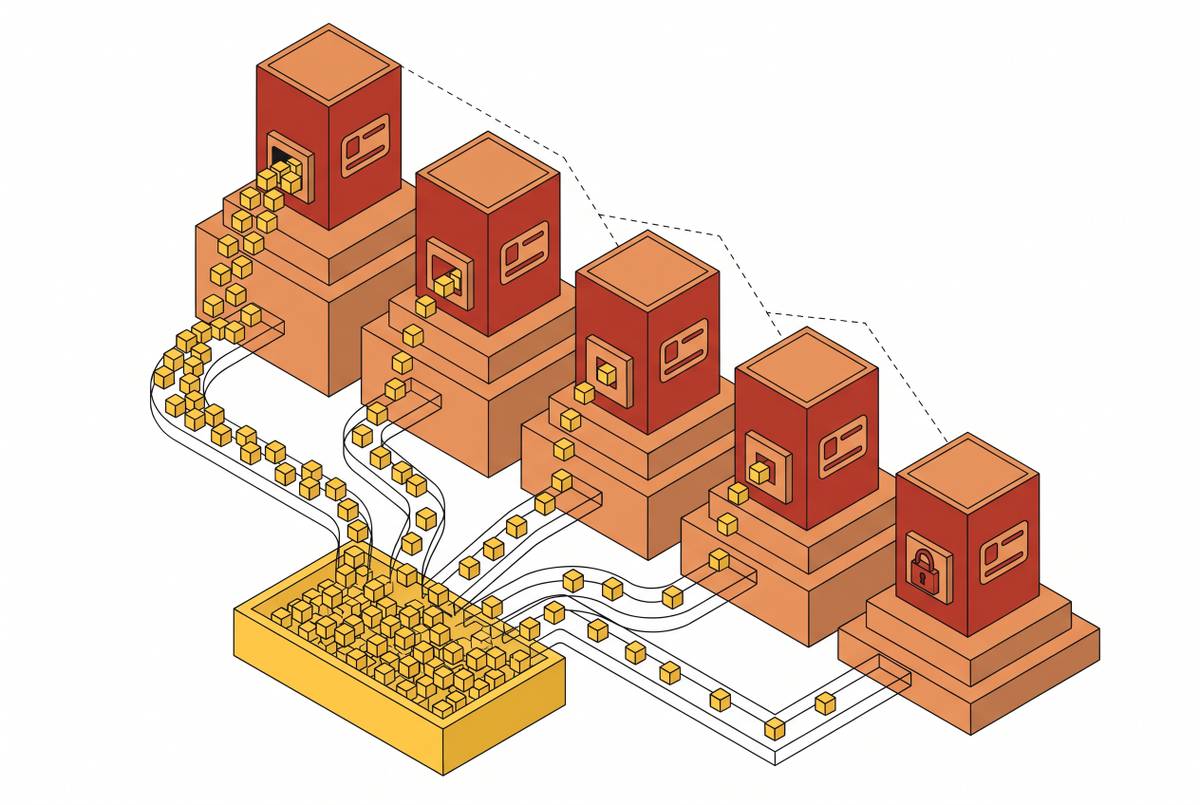
External ID fields on every Salesforce object, populated with Dynamics GUIDs, preserve the crosswalk for upsert, parent-child linking, and downstream reconciliation. This protects more than record identity. It keeps enrichment and historical joins attached to the records they describe, so AI does not lose context at the boundary between systems.
Reconciling picklists keeps false categories out of training data. Numeric Dynamics options need deliberate mappings to Salesforce text values, and records need to move off retired values before load. Relationship mappings require comparable judgment. Connections can be mapped to indirect account-contact relationships through Contacts to Multiple Accounts, to opportunity contact roles or custom objects, or kept as archived information. Categorizing them first prevents a default archival decision from erasing useful engagement evidence.
Parents must precede children, with accounts before contacts, contacts before opportunities, and opportunities before activities. Otherwise, records can appear structurally valid while lacking their relational context. AI-assisted migration tooling can also flag statistical outliers, unexpected record count drops, and format inconsistencies during live runs. This lets the team catch problems before load, so quality control depends less on reconciliation after flawed records reach Salesforce.
Why post-migration monitoring of CRM data quality determines whether the AI foundation holds
A clean cutover establishes a starting condition. Contact decay resumes, integrations and manual entry create duplicates, and new fields or picklist changes introduce schema drift. The target system creates additional early risks. Automation rules can fire when fields are in unexpected states, reports can pull the wrong history through fields that were mapped incorrectly, and workflows can trigger on values with no Salesforce equivalent. Those behaviors compound inherited defects.
Periodic audits leave a gap between deterioration and discovery. By the time a quarterly review identifies a problem, AI may have been training or inferring on corrupt records for weeks. Continuous, automated monitoring narrows that exposure. It tracks duplicate detection, missing field rates, picklist value drift, ownership gaps, and relationship integrity within the CRM system of record.
Detection alone still leaves remediation waiting for attention. An agentic model that can detect, propose, and apply fixes autonomously addresses the gap between finding a defect and correcting it at the pace CRM data changes. Because those records affect how accurate forecasting is, how reliable lead scoring is, and what agents produce, teams beyond the data team also share responsibility for them. CRM health is revenue and AI infrastructure.
What organizations can do before, during, and after migration to protect the data AI will inherit
For organizations planning the transition, the sequence begins with an audit that identifies decisions before they become mapping assumptions. The source review should examine Customer lookup targets, lead qualification overlap, connection types, and option set retirement. What the team finds should guide its person account choices, its lead archival strategy, and its connection mappings before field mapping begins. Deduplication, missing-field enrichment, and stale-value cleanup belong in the source while its context remains familiar. This is the point at which the team can separate a deliberate exception from an accidental default.
During migration, the priority shifts from interpreting the source to preserving those decisions through the load. Dynamics GUIDs in external ID fields and dependency-ordered loading provide the identity and relationship controls. Live AI-assisted checks should flag outliers and format inconsistencies before they enter the target system. Validation must then test automations, workflow triggers, and sharing rules against migrated records before users gain access. A successful transfer alone cannot establish that those records behave correctly in Salesforce.
After migration, the operating model should shift from project validation to continuous record-health control. Always-on monitoring should track duplicate rates, missing field rates, picklist drift, and ownership gaps, while agentic remediation proposes and applies fixes. Completeness, accuracy, and consistency should be reported to RevOps leadership as revenue-layer infrastructure metrics with pipeline performance. This makes record integrity part of operating the business. The governing decision throughout is whether an ambiguity gets resolved while its meaning is still available or is deferred until AI has already learned from it.